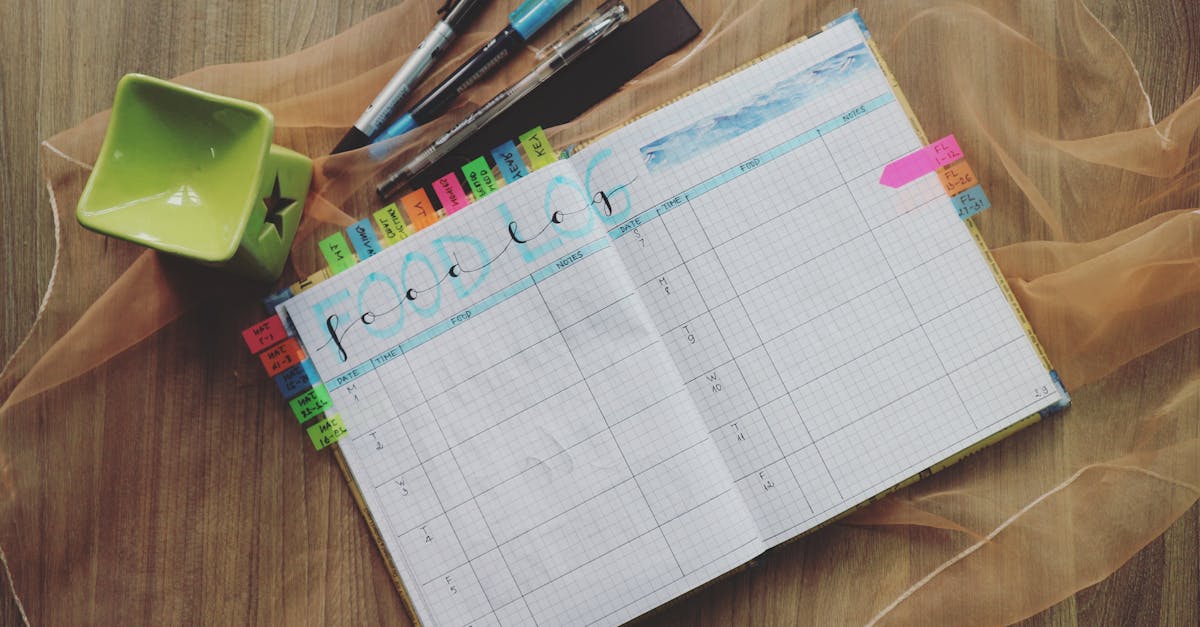
Why Most Beginners Fail at Personal Meal Planning (And My 3-Layered System That Actually Works)
Are you constantly staring into an empty fridge on a Tuesday night, wondering what to make for dinner? Or perhaps you’ve tried meal planning a dozen times, only to abandon it after a week, drowning in uneaten produce and a sense of failure. Believe me, I’ve been there. For years, my meal planning attempts followed a predictable cycle: enthusiastic start, meticulous spreadsheet creation, grocery haul based on a rigid plan, then inevitable deviation, wasted food, and crushing guilt. It felt like a chore, a restriction, and ultimately, an exercise in frustration.
What I realized is that most conventional meal planning advice, while well-intentioned, sets beginners up for failure. It preaches a rigid, prescriptive approach that doesn’t account for real life – the sudden cravings, the unexpected late work nights, the desire for variety. We’re told to plan every single meal for seven days, often focusing on elaborate recipes, which quickly becomes unsustainable. This isn’t about lacking willpower; it’s about a flawed system. The key isn’t to force yourself into a restrictive box, but to build a flexible, adaptable framework that works with your life, not against it.
I’ve spent the last five years refining a meal planning system that truly works. It’s a 3-layered approach that prioritizes flexibility, minimizes waste, and most importantly, reduces the mental load of daily cooking decisions. What changed everything for me was shifting my focus from what to cook every single night to how to build a resilient system that could weather the inevitable storms of life. This isn’t just about saving money or eating healthier; it’s about reclaiming your evenings, reducing stress, and finding genuine enjoyment in feeding yourself and your family.
Key Takeaways
- Rigid, prescriptive 7-day meal plans often fail beginners because they don’t account for real-life flexibility.
- Shift from planning exact meals to building a resilient system around core components and adaptability.
- Implement a 3-layered approach: a ‘Flexible Framework’ for weeknights, a ‘Prepared Power-Up’ for basics, and a ‘Dynamic Buffer’ for unexpected changes.
- Focus on category-based planning, strategic ingredient prep, and ‘future-self’ meals to minimize decision fatigue and waste.
The Flaw of the Fixed 7-Day Plan (And Why It Never Sticks)
Let’s be honest: the idea of perfectly planning every single breakfast, lunch, and dinner for a full week, with every ingredient accounted for, sounds appealing in theory. It conjures images of effortless cooking and zero food waste. But in practice, this rigid, fixed 7-day plan is the number one reason most beginners throw in the towel. Why? Because life isn’t a spreadsheet.
In my experience, the moment you commit to “Tuesday: Chicken Stir-Fry, Wednesday: Lentil Soup, Thursday: Salmon with Asparagus,” you’ve created a culinary straitjacket. What happens when your boss asks you to stay late on Tuesday? That chicken stir-fry becomes a rushed, stressful affair, or you order takeout, leaving perfectly good ingredients to languish. What if you wake up on Wednesday craving pizza, not lentil soup? Suddenly, the ‘plan’ feels like a burden, not a helper. And Thursday? Maybe you just don’t feel like salmon, but you bought it, so now you feel obligated.
The mistake I see most often is the assumption that a good meal plan means eliminating spontaneity. On the contrary, a successful meal plan builds in the capacity for spontaneity. It’s about preparedness, not prediction. When you try to predict your exact cravings, energy levels, and social engagements a week in advance, you’re setting yourself up for disappointment. You end up with neglected produce, forgotten leftovers, and the demoralizing feeling that you’re ‘bad’ at meal planning. The truth is, the plan was bad for you because it lacked the crucial element of flexibility.
This rigid approach also leads to significant food waste. You buy specific ingredients for specific recipes, and when the plan goes awry, those unique items often go unused. Think about that single bunch of cilantro you bought for one recipe – if that meal is skipped, the cilantro wilts, and your money with it. This cycle is not only disheartening but also costly, both financially and environmentally. We need a system that minimizes specific ingredient commitments until closer to the actual cook time, allowing for more adaptive use of groceries.
Layer 1: The Flexible Framework – Category-Based Weeknights
What changed everything for me was letting go of the exact recipe for each night and instead adopting a category-based framework for my weeknight dinners. This is the first and most crucial layer of my system. Instead of assigning “Chicken Stir-Fry” to Tuesday, I assign “Stir-Fry Night” to Tuesday. The distinction might seem subtle, but its impact is profound.
Here’s how it works: I’ve created a list of 5-7 dinner categories that I rotate through each week. These are broad enough to allow for immense variety but specific enough to narrow down options and guide my grocery shopping. My categories include:
- Meatless Monday (or any ‘Meatless’ day): Think pasta with roasted vegetables, lentil curry, bean tacos.
- Stir-Fry/Bowl Night: Quick cooking, great for using up various veggies and proteins. Rice, quinoa, or noodles as a base.
- Sheet Pan/Roast Night: Minimal cleanup, oven does the work. Roasted chicken and veggies, sausage and peppers.
- Soup/Stew Night: Comfort food, often makes good leftovers. Chili, minestrone, creamy tomato soup.
- Pasta/Grain Dish: Easy, versatile, crowd-pleasing. Pesto pasta, rice pilaf, risotto (when I’m feeling ambitious).
- Taco/Wrap Night: Build-your-own style, highly customizable. Fish tacos, beef fajitas, chicken wraps.
- Leftover Remix/“Use It Up” Night: Crucial for reducing waste. This isn’t a meal to plan for, but a designated slot to tackle existing food.
On a Sunday, instead of picking specific recipes, I map out these categories for 4-5 weeknights, leaving 1-2 nights open for spontaneity, eating out, or using up Layer 3 components (more on that later). For example:
- Monday: Meatless Monday
- Tuesday: Stir-Fry Night
- Wednesday: Open/Buffer
- Thursday: Sheet Pan Roast
- Friday: Taco Night
- Saturday: Eat Out/Social
- Sunday: Leftover Remix
This approach gives me the structure I need without feeling restrictive. When I go to the grocery store, I shop for general components rather than hyper-specific ingredients. For Stir-Fry Night, I’ll buy a protein (chicken, tofu, shrimp), a variety of quick-cooking vegetables (broccoli, bell peppers, snap peas), and a sauce base. I don’t need to commit to a specific stir-fry recipe until Tuesday itself, when I know my energy levels and what vegetables need using up. This dramatically reduces decision fatigue in the moment and makes the entire process feel more adaptable to life’s ebb and flow.
Layer 2: Prepared Power-Ups – The Strategic Basics for Speed and Sanity
The second layer is all about strategic ingredient prep, which I call “Prepared Power-Ups.” This isn’t about cooking full meals in advance, but rather having foundational ingredients ready that can be combined in countless ways. This is where you get the most bang for your buck in terms of time saved during busy weeknights. My rule of thumb: devote 60-90 minutes on Sunday afternoon to making 2-3 of these power-ups.
Here are my go-to Prepared Power-Ups:
A Batch of Cooked Grains: I always have either a large pot of quinoa, brown rice, or farro cooked and portioned in the fridge. These are instant bases for bowls, sides for sheet pan meals, or additions to soups. It takes 30 minutes to cook a large batch, but saves me 30 minutes on 2-3 weeknights. That’s a net gain.
Roasted Vegetables: Chopping and roasting a tray of mixed vegetables (broccoli, sweet potatoes, carrots, bell peppers) is a game-changer. These add nutrients and flavor to almost any meal. Toss them into a stir-fry, add to pasta, or serve alongside a quick protein. My trick: roast them simply with olive oil, salt, and pepper. You can always add specific seasonings later to match your meal.
A Versatile Protein: This could be a batch of shredded chicken (from poaching or roasting a whole chicken), cooked lentils, or hard-boiled eggs. Having a readily available protein source means that even on the busiest nights, you can assemble a balanced meal in minutes. Think of it: cooked quinoa + roasted veggies + shredded chicken = a delicious, healthy bowl in under 5 minutes.
Homemade Vinaigrette/Sauce Base: A simple jar of homemade dressing (like a lemon-tahini dressing or a basic apple cider vinaigrette) elevates simple meals and makes salads feel like a main course. I also keep a jar of my go-to stir-fry sauce components (soy sauce, ginger, garlic, a touch of honey) pre-mixed, so all I need to do is add a dash of water or broth and cornstarch to thicken.
The beauty of these power-ups is their flexibility. They don’t lock you into a specific recipe. They are building blocks. On “Stir-Fry Night,” I grab my pre-cooked rice, throw in some of my roasted bell peppers with fresh snap peas and chicken, and a quick homemade sauce. Done. On “Meatless Monday,” I might combine my cooked quinoa, roasted sweet potatoes, and black beans for a quick burrito bowl. This small investment of time on the weekend pays dividends in reduced stress and quicker meal assembly throughout the week.
Layer 3: The Dynamic Buffer – Future-Self Meals and Strategic Staples
The final layer is the Dynamic Buffer, which is all about planning for the unexpected and empowering your future self. This includes a small arsenal of “future-self meals” and a well-stocked pantry of strategic staples. This layer provides the ultimate flexibility, preventing those frantic takeout orders when the best-laid plans unravel.
Future-Self Meals
These are meals you intentionally over-prepare for one night, specifically so you don’t have to cook another night. It’s not about making a huge batch of one thing that you’ll get tired of, but rather cooking a larger quantity of a component that can easily be repurposed, or a full meal that freezes well.
- Double Duty Proteins: When I make grilled chicken for one meal, I’ll grill extra plain chicken breasts. One portion goes to the current meal, and the extra can be diced for salads, wraps, or tossed into pasta later in the week. This is different from a “power-up” because it’s usually a seasoned, cooked protein rather than a plain base.
- Freezer-Friendly Meals: Once every 2-3 weeks, I’ll choose one of my category nights – often a soup or stew night, like chili or a hearty lentil soup – and double the recipe. One portion is for dinner that night, and the other is immediately portioned and frozen. These are my ultimate “future-self” meals. On a night when I’m too exhausted to cook, or my original plan falls through, I can pull a ready-made, healthy meal from the freezer in minutes. This might be a Wednesday
Open/Buffernight’s savior.
Strategic Staples (The Well-Stocked Pantry)
This is your emergency readiness kit for meal planning. It’s not about hoarding, but about maintaining a practical stock of ingredients that can quickly be turned into a meal with minimal fresh additions.
- Canned Goods: Think canned beans (black, cannellini, chickpeas), diced tomatoes, coconut milk, and tuna/salmon. These form the base of many quick meals. A can of chickpeas + canned tomatoes + spices = quick curry or pasta sauce.
- Dry Goods: Pasta, rice, couscous, lentils. These are cheap, long-lasting, and form the backbone of many meals. Always have several varieties on hand.
- Frozen Essentials: Beyond the “future-self” meals, I keep frozen vegetables (peas, corn, spinach, mixed veggies) and frozen protein (chicken breasts, ground meat, shrimp). These are lifesavers when fresh ingredients run out or an unexpected meal needs to be pulled together.
- Long-Lasting Produce: Onions, garlic, potatoes, carrots, apples, and citrus fruits. These last for weeks and are essential building blocks for almost any cuisine.
By having these strategic staples readily available, you drastically reduce the need for last-minute grocery runs. When your category is “Stir-Fry Night” but you’re out of fresh bell peppers, a bag of frozen mixed vegetables can save the day. When you’re out of fresh chicken, frozen shrimp thaws quickly for a different protein option. This buffer allows for incredible adaptability and reduces the feeling of panic when your original plan hits a snag.
Integrating the 3-Layered System into Your Week
Here’s how I integrate these three layers into my week to make meal planning a seamless, stress-reducing process:
Sunday (The Planning & Power-Up Session):
- Quick Inventory: I quickly check my fridge for any expiring produce or leftovers that need using up first. This informs my “Leftover Remix” night.
- Category Mapping: I plug my 4-5 dinner categories into the week, leaving flexible nights. I usually have 1-2 “open” slots and a designated “Leftover Remix” night.
- Meal Brainstorm (Loose): For each category, I think of 2-3 potential meal ideas. For “Stir-Fry Night,” it might be chicken stir-fry, tofu stir-fry, or shrimp noodle bowl. This is where the creativity comes in, but it’s not a commitment.
- Grocery List Creation: Based on my categories and loose meal ideas, I create a grocery list, focusing on core components: a few protein options, a good mix of fresh vegetables (some for roasting, some for quick cooking), grains, and any specific sauces/spices. I also check my pantry/freezer for any “Strategic Staples” that need replenishment.
- Power-Up Prep (60-90 min): I dedicate a block of time to cook my batch grains, roast a tray of vegetables, and prep a versatile protein (e.g., shredded chicken or cooked lentils).
Weeknights (The Dynamic Execution):
- Morning Check-in: I glance at my category for the evening. If it’s “Stir-Fry Night,” I’ll pull out any frozen protein to thaw.
- Evening Decision: Based on my energy, cravings, and what fresh ingredients are calling to me, I pick which stir-fry I’ll make from my brainstormed ideas. I utilize my “Prepared Power-Ups” (cooked rice, roasted veggies) to make assembly incredibly fast. If the plan goes completely off the rails (e.g., unexpected dinner invitation), I pivot. The ingredients for stir-fry can easily be repurposed for a “Sheet Pan Roast” later in the week, or I rely on my “Future-Self Meal” from the freezer for a different night.
- Leftover Focus: My “Leftover Remix” night is non-negotiable. This is where I get creative with small portions of leftover protein, grains, and veggies to create something new (e.g., quesadillas, frittatas, loaded salads).
This system allows for immense flexibility. If I planned “Sheet Pan Roast” but suddenly want pasta, I can easily shift categories, knowing I have staples on hand. The unused sheet pan ingredients can be used for “Stir-Fry Night” or another category later in the week. By not rigidly dictating exact recipes, I reduce waste and eliminate the guilt that comes from deviating from a perfect plan.
The Unexpected Benefits Beyond Just Food
Adopting this 3-layered meal planning system has had far-reaching positive impacts beyond just my kitchen. It’s fundamentally changed my relationship with food and my weekly routine.
1. Reduced Decision Fatigue: This is perhaps the biggest win. Before, every evening was a draining debate: What should I make? Do I have the ingredients? What’s quick? Now, the framework provides the guardrails, and the power-ups provide the speed. The mental energy saved each day is immense and can be redirected to more meaningful tasks or simply enjoying my evenings.
2. Significant Food Waste Reduction: By shopping for categories and components, I’m much more likely to use up all my produce. If I buy broccoli for stir-fry but end up doing pasta, the broccoli simply gets roasted for another meal or tossed into the pasta. The “Leftover Remix” night is a powerful, intentional way to ensure nothing goes to waste. I estimate I’ve cut my food waste by at least 60-70% since implementing this system.
3. Financial Savings: Less food waste directly translates to saving money. Beyond that, having a system prevents those desperate, expensive last-minute takeout orders. When I know I have a delicious freezer meal waiting, or the components for a quick dinner, I’m far less likely to splurge on delivery.
4. Increased Confidence and Joy in Cooking: When cooking becomes less stressful and more adaptable, it becomes more enjoyable. I feel empowered by my preparedness rather than burdened by a rigid plan. This has allowed me to experiment more within my categories, trying new flavor combinations or variations without the pressure of a make-or-break recipe.
5. Better Nutrition, Effortlessly: With a constant supply of cooked grains, roasted vegetables, and lean proteins, assembling a healthy, balanced meal is almost automatic. There’s no frantic search for healthy options; they’re already at my fingertips. This passive improvement in nutrition feels incredibly good.
Transitioning to this flexible system takes a little practice, but the payoff is enormous. Start small: pick 3-4 categories, try one power-up, and consciously stock a few strategic staples. You’ll quickly find yourself spending less time stressing, less money wasting, and more time enjoying delicious, home-cooked meals.
Frequently Asked Questions
Q1: How do I handle picky eaters with a category-based system?
A: The category-based system actually works better for picky eaters because it allows for customization. For “Taco Night,” for example, you can offer different fillings and toppings, letting each person build their own. For “Sheet Pan Roast,” you might roast separate trays for different vegetables if some family members dislike certain ones, or simply have a wider variety available for them to choose from their plate. The focus is on offering components, making it easier for individuals to select what they prefer without derailing the entire meal.
Q2: What if I don’t have time for a 60-90 minute Sunday prep session?
A: Start smaller. Even 20-30 minutes of prep can make a huge difference. Focus on just one “Prepared Power-Up” – perhaps a batch of cooked grains, or chopping some vegetables for the first two nights. You can also spread the prep throughout the week. For instance, cook a batch of quinoa on Monday while dinner is cooking, then chop veggies for Tuesday’s stir-fry. The goal is to do some prep, not necessarily all of it at once. Even having your protein thawed and seasoned a day in advance is a win.
Q3: How do I keep my grocery list from getting out of control with this flexibility?
A: This is where the category-based approach helps. Instead of listing ‘3 carrots, 1 onion, 2 bell peppers’ for specific recipes, think in broader terms: ‘carrots, onions, bell peppers for the week.’ You’ll naturally gravitate towards buying staples in quantities that make sense for your categories. For example, if you know you’ll have a “Stir-Fry Night” and a “Sheet Pan Roast,” you’ll buy enough bell peppers to cover both needs. Over time, you’ll learn your household’s typical consumption patterns for common vegetables and proteins, making shopping more efficient. Focus on versatile produce that works across multiple categories.
Q4: What if I get bored with the same categories every week?
A: Your categories should evolve! This isn’t a fixed list for life. My categories change seasonally and as my family’s preferences shift. You can introduce new categories (e.g., “Curry Night,” “Burger Night,” “Mediterranean Bowls”), or swap out existing ones. Within each category, the variety of recipes is endless. “Stir-Fry Night” could be a chicken and broccoli stir-fry one week, a shrimp and snap pea noodle bowl another, and a beef and bell pepper stir-fry the next. The framework provides consistency, but the specific meals provide the novelty.
Q5: How do I prevent frozen “future-self meals” from getting freezer burn or being forgotten?
A: For freezer burn, proper storage is key: use airtight containers or vacuum-seal bags, and ensure food is completely cooled before freezing. Labeling with the date and contents is non-negotiable. To prevent them from being forgotten, make them a visible option for your “Open/Buffer” nights. When I do my Sunday check-in (Step 1 of integrating the system), I make a point to check my freezer for these meals. Sometimes, knowing I have a ready-made chili available influences my choice for an easy Wednesday dinner, preventing a takeout order.
Conclusion
Breaking free from rigid meal planning was one of the most liberating shifts I’ve made in my daily life. It transformed a source of constant stress into a system of empowerment, flexibility, and genuine enjoyment. By embracing a 3-layered approach – the Flexible Framework, Prepared Power-Ups, and the Dynamic Buffer – you’re not just organizing your meals; you’re building resilience, reducing waste, and creating more mental space in your busy week.
Don’t aim for perfection; aim for progress. Start by implementing just one layer, perhaps adopting 3-4 dinner categories this week, or committing to cooking a batch of grains on Sunday. Observe how it impacts your week, then gradually add more elements. You’ll be amazed at how quickly you can move from meal planning frustration to a genuinely sustainable, stress-free approach that truly works for your life, not just for a hypothetical perfect one.
Written by Maria Rossi
Health & Well-being
A wellness advocate dedicated to approachable health and personal growth.
You Might Also Like
Why Most Budget Smartwatches Disappoint (And What Actually Works for Real Value)
Don't fall for cheap smartwatch promises. Discover why budget options fail and the smart approach to finding a wearable that delivers real value and functionality.
Why Most Budget Camping Tents Fail You (And What Actually Works for Real Durability)
Don't get caught in the rain! Discover why cheap tents disappoint and learn the strategic splurges for a truly durable, comfortable camping experience.
Why Most People Fail at Decluttering (And My 3-Step System That Actually Works)
Discover why common decluttering advice falls short and my practical 3-step system to finally achieve a clutter-free home and mind.