Why Most Meal Plans Fail (And What Actually Works for Sustainable Healthy Eating)
You’ve been there, right? Enthusiastically downloading a shiny new meal plan on a Sunday evening. You’re picturing a week of perfectly portioned, nutrient-dense meals, boundless energy, and maybe even a few pounds shed. By Wednesday, the carefully planned salmon and quinoa is gathering dust in the fridge, and you’re staring down a takeout menu, riddled with guilt. It’s a cycle I’ve seen countless times in my work with clients, and frankly, I’ve lived it myself more often than I care to admit early in my career.
The truth is, most conventional meal plans are designed to fail. They’re often too restrictive, too complicated, or too far removed from the realities of everyday life. They promise a quick fix but deliver frustration because they don’t account for your changing moods, your social life, or the simple fact that you might just not feel like eating kale on Tuesday. My aim here isn’t to tell you what to eat, but how to approach healthy eating in a way that’s sustainable, enjoyable, and genuinely enhances your well-being, rather than becoming another source of stress.
Key Takeaways
- Rigid, prescriptive meal plans often fail because they don’t adapt to real-life spontaneity and cravings.
- Shift your focus from daily meal planning to strategic ingredient prep and flexible component-based meals.
- Implement a “Flavor Profile Calendar” to prevent palate fatigue and keep meals exciting and varied.
- Prioritize a “non-negotiable” meal (like breakfast or lunch) to build consistency without overwhelming yourself.
The Rigidity Trap: Why ‘Perfect’ Plans Crumble in Real Life
The biggest flaw of most meal plans is their inherent rigidity. They dictate what you’ll eat for breakfast, lunch, dinner, and snacks for an entire week, sometimes even a month. While this might sound like a recipe for control and success, it’s often the opposite. Life doesn’t follow a meal plan. An unexpected dinner invitation pops up. You have a terrible day and just want comfort food. You discover you’re out of a key ingredient. What happens then? The whole system collapses.
In my experience, trying to stick to a precise meal plan when life inevitably throws a curveball leads to one of two outcomes: either you abandon the plan entirely, feeling like a failure, or you force yourself to stick to it, feeling deprived and resentful. Neither of these fosters a healthy relationship with food. I recall a client who meticulously planned every meal for her family, only to find herself overwhelmed and ordering pizza every Friday out of sheer exhaustion and rebellion. The plan became a source of stress, not liberation.
What changed for her, and what I advocate, is shifting from a daily prescriptive plan to a more agile, component-based approach. Instead of planning specific meals, you plan for categories of ingredients: a protein, a complex carbohydrate, and plenty of vegetables. This allows for improvisation. If your planned chicken breast suddenly becomes unavailable, you can swap in fish or lentils without derailing your entire week. This flexibility is crucial for long-term adherence. It acknowledges that you are a human being with fluctuating desires, not a robot following a script.
The Flavor Fatigue Factor: Why Repetition Kills Motivation
Another common pitfall is flavor fatigue. Many meal plans, especially those focused on weight loss or specific dietary restrictions, rely on a limited rotation of ingredients and cooking methods. Eating the same chicken and broccoli, or similar variations, day after day, week after week, is a surefire way to kill your enthusiasm for healthy eating. Your palate gets bored, and suddenly, that greasy burger down the street looks incredibly appealing simply because it’s different.
I vividly remember my own early attempts at meal prepping where I’d make a giant batch of chili or lentil soup. By day three, the thought of another bowl was enough to send me rummaging for snacks. The initial motivation would quickly fade, replaced by a craving for anything but what was in my fridge. This isn’t a lack of willpower; it’s a natural human response to monotonous eating.
To combat this, I encourage what I call a “Flavor Profile Calendar.” Instead of planning specific meals, think about the flavor profile you want to explore each day or every few days. For instance:
- Monday/Tuesday: Mediterranean (e.g., roasted vegetables with feta, grilled chicken with lemon and oregano, lentil salad)
- Wednesday/Thursday: Asian-inspired (e.g., stir-fry with soy-ginger sauce, rice noodles, edamame, tofu/shrimp)
- Friday/Saturday: Mexican-inspired (e.g., fish tacos with salsa, black bean salad, chicken fajita bowls)
- Sunday: Comfort/Prep Day (e.g., a hearty stew, roasted root vegetables, a big batch of grains)
Within these profiles, you have endless variations. This approach ensures variety, keeps your taste buds engaged, and prevents the dread of eating the same thing. It turns healthy eating into an adventure, not a chore. It’s about building a diverse palette of healthy options, not a rigid menu.
Overwhelm by Design: Too Many Choices, Too Much Effort
Many meal plans are designed by nutritionists or chefs who have a specific vision, but they don’t always consider the time constraints and cooking skills of the average person. They might feature complex recipes with long ingredient lists and multiple cooking steps for every single meal. The sheer mental load of planning, shopping for obscure ingredients, and then executing these recipes for an entire week can be utterly overwhelming, especially after a long workday.
I’ve coached individuals who spent their entire Sunday cooking, only to feel utterly drained and resentful by Monday morning. This isn’t sustainable. If healthy eating feels like a monumental task every week, you’re setting yourself up for burnout and eventual abandonment. The goal is to integrate healthy eating seamlessly into your life, not to turn your kitchen into a Michelin-star restaurant for every meal.
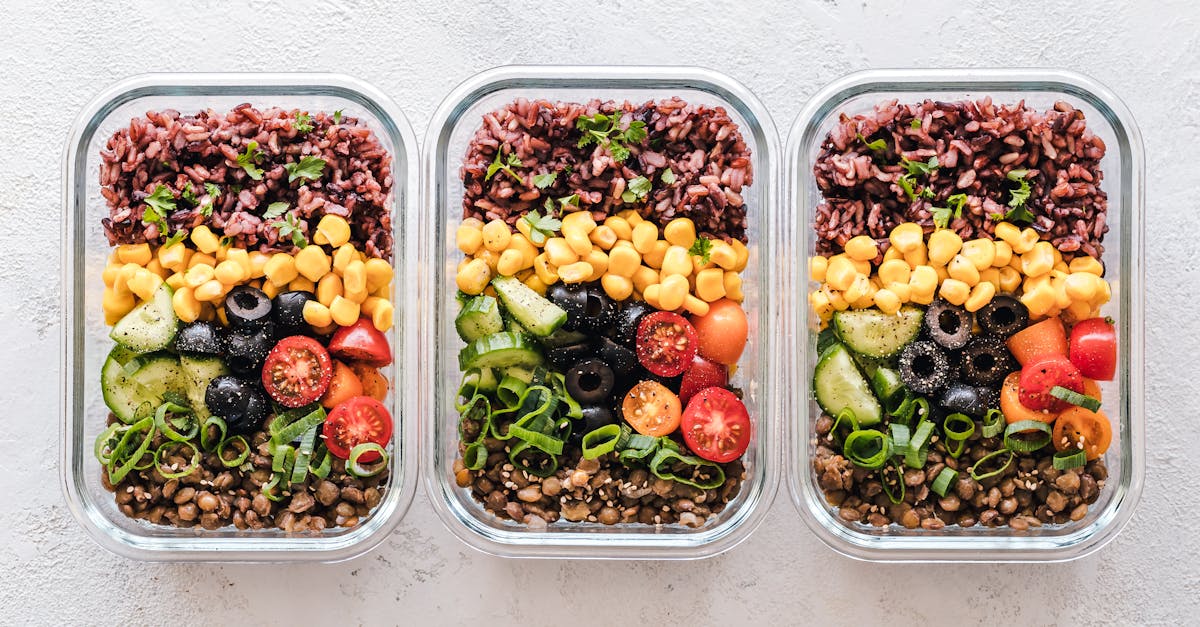
My solution is to focus on “Strategic Ingredient Prep” rather than full meal prep. Instead of cooking entire dishes, focus on preparing components that can be mixed and matched throughout the week. This looks like:
- Roasting a big tray of mixed vegetables (broccoli, bell peppers, zucchini, sweet potatoes) that can go into salads, wraps, or as a side.
- Cooking a large batch of grains (quinoa, brown rice, farro) for bowls, salads, or as a base.
- Prepping a couple of protein sources (baked chicken breasts, hard-boiled eggs, cooked lentils, ground turkey) that can be easily added to meals.
- Washing and chopping fresh greens and raw vegetables for quick salads and snacks.
This approach drastically reduces daily cooking time. You can assemble a healthy lunch in under 5 minutes, or a satisfying dinner in 15. It takes the pressure off making everything from scratch every single time, making healthy eating much more approachable and realistic for busy individuals. It’s about efficiency and reducing decision fatigue throughout the week.
Neglecting Your Inner Signals: Why Hunger and Cravings Matter
Perhaps the most insidious flaw of rigid meal plans is that they train you to ignore your body’s natural hunger and satiety cues. When you’re told to eat a specific meal at a specific time, regardless of whether you’re genuinely hungry or not, you start to lose touch with your body’s innate wisdom. This can lead to eating when you’re not hungry (because it’s ‘mealtime’) or feeling deprived when you are hungry but your plan says it’s not time yet.
I recall a period in my life where I tried a very strict meal plan. I was constantly looking at the clock, waiting for my next prescribed meal, rather than listening to my stomach. When I was truly hungry between meals, I felt like I was ‘cheating’ if I had a snack. This created an adversarial relationship with food and my body, fostering guilt rather than wellness. This approach is fundamentally unsustainable because it fights against your biological needs.
What actually works is cultivating mindful eating practices alongside a flexible framework. This doesn’t mean abandoning all planning, but rather using your strategic prep and component-based meals as a foundation, then allowing your body to guide the specifics. Here’s how to integrate this:
- Eat When You’re Truly Hungry: Even if it’s not ‘mealtime’ according to a plan, if your body is signaling hunger, grab one of your prepped components. A handful of nuts, some pre-cut veggies with hummus, or a hard-boiled egg can bridge the gap.
- Stop When You’re Satisfied, Not Stuffed: Use your prepped components to assemble a meal, but pay attention to your body as you eat. You don’t have to finish everything on your plate if you’re already feeling full. Save the rest for later.
- Allow for Cravings (Within Reason): If you’re consistently craving something, it’s often a signal. Instead of complete deprivation, integrate it in a balanced way. For example, if you’re craving chocolate, have a small piece of dark chocolate instead of trying to ignore it until you binge on an entire bar.
This approach fosters a sense of trust and self-awareness, which is far more powerful and sustainable than any external set of rules. It teaches you to be an active participant in your eating, rather than a passive follower.
The “All or Nothing” Mentality: Why Perfectionism Paralyses Progress
Many people approach meal planning with an ‘all or nothing’ mindset. If they can’t stick to the plan perfectly, they throw in the towel completely. One missed meal or one ‘unhealthy’ choice is seen as a total failure, leading to a cascade of further ‘bad’ choices. This perfectionism is a major barrier to long-term healthy eating habits. The reality is, life happens, and no one eats perfectly 100% of the time.
I’ve seen clients meticulously plan a week, then one evening a friend invites them out, or they have a stressful day and grab fast food. Instead of just adjusting for the next meal, they’d declare the entire week ‘ruined’ and revert to old habits, feeling defeated. This mental trap is incredibly common and incredibly detrimental.
What changed everything for me and my clients was embracing an “80/20” approach and focusing on non-negotiables. The 80/20 rule suggests aiming for healthy choices 80% of the time, leaving 20% for flexibility, treats, or less-than-perfect situations. This significantly reduces the pressure and removes the ‘failure’ label.
Even more impactful is identifying one or two “non-negotiable” meals or habits that you commit to consistently, regardless of how the rest of your day or week goes. For many, this is breakfast. Committing to a healthy, protein-rich breakfast every day, for example, sets a positive tone and provides consistent nutrition, even if lunch is a grab-and-go sandwich or dinner plans go awry.
- My Personal Non-Negotiable: My non-negotiable is a nutrient-dense breakfast smoothie packed with protein, greens, and healthy fats. Even if I’m super busy, I can make this in 3 minutes, and it ensures I start my day feeling energized and well-nourished. If the rest of my day isn’t ‘perfect,’ I still know I’ve got that solid foundation.
This approach builds consistency without the crushing weight of perfectionism. It acknowledges that small, consistent wins are far more powerful than sporadic attempts at absolute perfection. It’s about progress, not flawless execution.
Frequently Asked Questions
Q: Isn’t planning meals essential for healthy eating? How can I eat healthy without a strict plan?
A: Planning is indeed essential, but the type of planning matters. Instead of rigid daily meal plans, focus on strategic ingredient prep and having a flexible framework. Prepare components like roasted vegetables, cooked grains, and lean proteins in advance. Then, assemble meals based on your hunger, cravings, and what you have on hand. This gives you the control of planning without the rigidity of a strict menu.
Q: How do I avoid buying too much food if I’m not planning specific meals?
A: This is where a “theme-based” approach comes in. Instead of planning exact meals, decide on 2-3 general flavor profiles or cuisines for the week (e.g., Mediterranean, Asian, Mexican). Then, make your grocery list based on common ingredients for those themes (e.g., bell peppers, chicken, rice for Asian; chickpeas, olives, feta for Mediterranean). This ensures you have versatile ingredients that can be mixed and matched.
Q: What if I have specific dietary restrictions or health goals? Can this flexible approach still work?
A: Absolutely. In fact, a flexible approach is often more sustainable for specific dietary needs because it allows for adaptation. Once you understand the core principles of your diet (e.g., gluten-free, low-carb, vegetarian), you can apply them to the component-based prep. For example, if you’re low-carb, focus on prepping non-starchy vegetables and proteins. The flexibility ensures you can always find suitable options without feeling deprived or overwhelmed.
Q: How do I handle unexpected social events or eating out without derailing my healthy habits?
A: Embrace the 80/20 rule. Plan for flexibility. If you know you’ll be eating out, make sure your other meals that day or week are packed with nutrient-dense options. When dining out, try to make the best choices available – look for dishes with plenty of vegetables, lean protein, and healthy fats, and practice mindful eating. Don’t let one meal throw you off track; simply get back to your flexible system with the next meal.
Q: I often get bored of healthy foods. How can I keep things exciting without complex recipes?
A: The “Flavor Profile Calendar” is key here. By rotating through different cuisines or flavor themes (e.g., spicy, herbaceous, savory, tangy) every few days, you introduce variety without needing to learn elaborate new recipes. Also, experiment with different spices, herbs, and sauces (store-bought or homemade) to transform the same base ingredients into vastly different-tasting meals. For example, roasted chicken can become Mediterranean with oregano and lemon, or Asian with soy and ginger.
In the end, sustainable healthy eating isn’t about perfectly adhering to a rigid set of rules, but about building a flexible system that supports your well-being through all of life’s unpredictable moments. It’s about empowering yourself to make choices that nourish your body and mind, without the guilt or the constant battle against an unrealistic plan. Start with strategic prep, embrace flavor variety, and most importantly, listen to your body. You’ll be surprised how much easier and more enjoyable healthy eating can become.
Written by Maria Rossi
Health & Well-being
A wellness advocate dedicated to approachable health and personal growth.
You Might Also Like
Why Most Personal Reinvention Fails (And The Identity-First Approach That Actually Works)
Discover why traditional personal reinvention methods often fall short and how an identity-first approach can lead to lasting change.
The Hidden Cost of Diet Culture That Nobody Talks About (And How I Found Real Food Freedom)
Discover the unseen mental, emotional, and financial costs of diet culture, and learn how Maria Rossi found sustainable food freedom.
Why Most People Fail at Breaking Bad Habits (And My 3-Step System That Actually Works)
Discover the real reasons bad habits persist and learn a practical 3-step system to break free and build new routines, shared by Maria Rossi.